
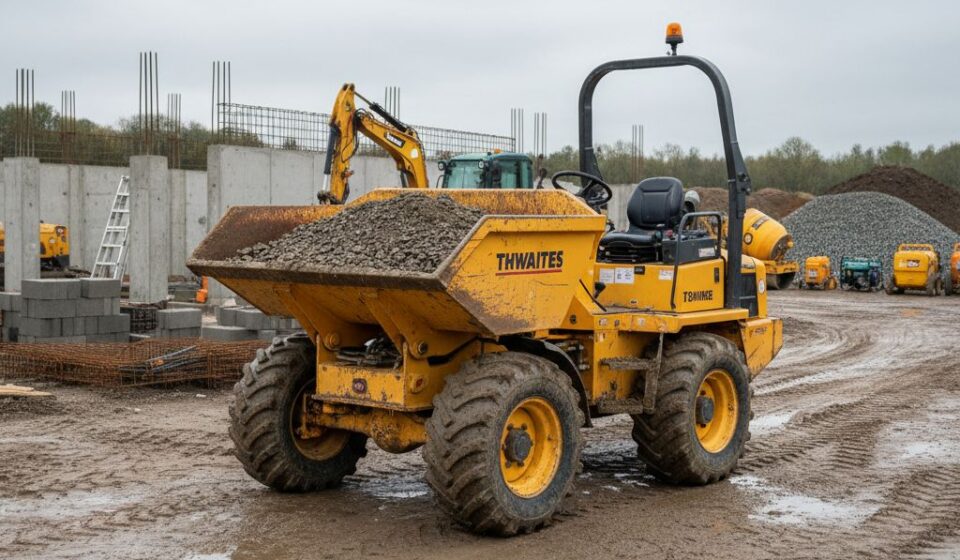

Heavy equipment like site dumpers are absolutely necessary for moving bulk materials on construction sites, but they’re also involved in a significant number of accidents every year. You’re probably wondering how to use them safely and efficiently, right? We’ll walk you through everything you need to know, from choosing the right model to operating it like a pro.
Table of Contents
So, what types of dumpers are we actually talking about?
You’re probably picturing a few different machines already, right? Well, let’s break down the main categories you’ll encounter on most sites. We’re generally looking at machines designed for moving bulk materials like soil, aggregates, and construction waste across various terrains. The key distinctions often come down to how they discharge their load and their overall size or capacity. The most common types are front-tip, swivel-tip, and sometimes even hi-tip machines.
| Front-Tip Dumper | Straightforward, cost-effective for direct dumping. |
| Swivel-Tip Dumper | Offers flexibility for tight spaces and trench work. |
| Hi-Tip Dumper | Designed for dumping into skips or over obstacles. |
| Tracked Dumper | Excellent for challenging, soft, or uneven ground. |
| Articulated Dumper | Larger capacity, often used on bigger civil engineering projects. |
Why swivel tips are a total game-changer
These dumpers feature a skip that can rotate up to 180 degrees, making them incredibly versatile. You can accurately discharge loads into trenches or beside obstacles without constantly repositioning the entire machine, saving you significant time and effort on site. They’re particularly useful in confined spaces. Perceiving their value in complex projects becomes clear very quickly.
The classic front-tip machines you’ll see everywhere
The standard front-tip dumper is probably what first comes to mind. Its skip is fixed and tips forward, directly in front of the operator. This design makes them very simple to operate and incredibly reliable for tasks where you’re moving material from one point to another and simply dumping it straight ahead. They’re a common sight on residential builds and smaller commercial projects.
You’ll find these machines in various sizes, from compact 1-tonne models perfect for garden landscaping or tight access sites, up to much larger 10-tonne versions for substantial earthmoving jobs. Their straightforward operation means less complexity, often translating to lower maintenance costs and easier operator training. They excel at moving bulk materials over relatively flat or gently undulating terrain, particularly when the dumping point is directly in front of the machine. Just drive up, tip, and you’re done!
The real deal on the pros and cons
Thinking about bringing a site dumper onto your project? You’re probably wondering if it’s really worth the investment. Let’s break down what makes them great and where they might fall a little short, giving you a clearer picture.
| Pros | Cons |
|---|---|
| Boosts productivity on site. | Requires skilled operators. |
| Handles heavy loads effortlessly. | Can be expensive to purchase or rent. |
| Navigates diverse terrain easily. | Maintenance costs can add up. |
| Reduces manual labor and fatigue. | Risk of overturns on uneven ground. |
| Speeds up material transport. | Limited on very tight sites. |
| Versatile for many tasks. | Fuel consumption can be high. |
Why you’re gonna love having one around
You’ll find these machines are absolute workhorses, seriously speeding up tasks that would otherwise take ages. Imagine moving tons of earth or rubble in a fraction of the time – that’s what a dumper brings to the table, making your site far more efficient.
A few things that aren’t so great
You’ve got to consider the initial outlay, whether that’s buying or renting. And then there’s the ongoing cost of fuel and regular servicing. But the biggest concern? The potential for accidents, especially rollovers if not operated correctly.
Operating a dumper demands respect and proper training. These aren’t toys; they’re powerful machines that can become unstable quickly if you’re not careful, particularly on slopes or soft ground. Always ensure your operators are fully certified and understand the specific risks associated with the model they’re using to prevent serious incidents.
What factors should you honestly think about first?
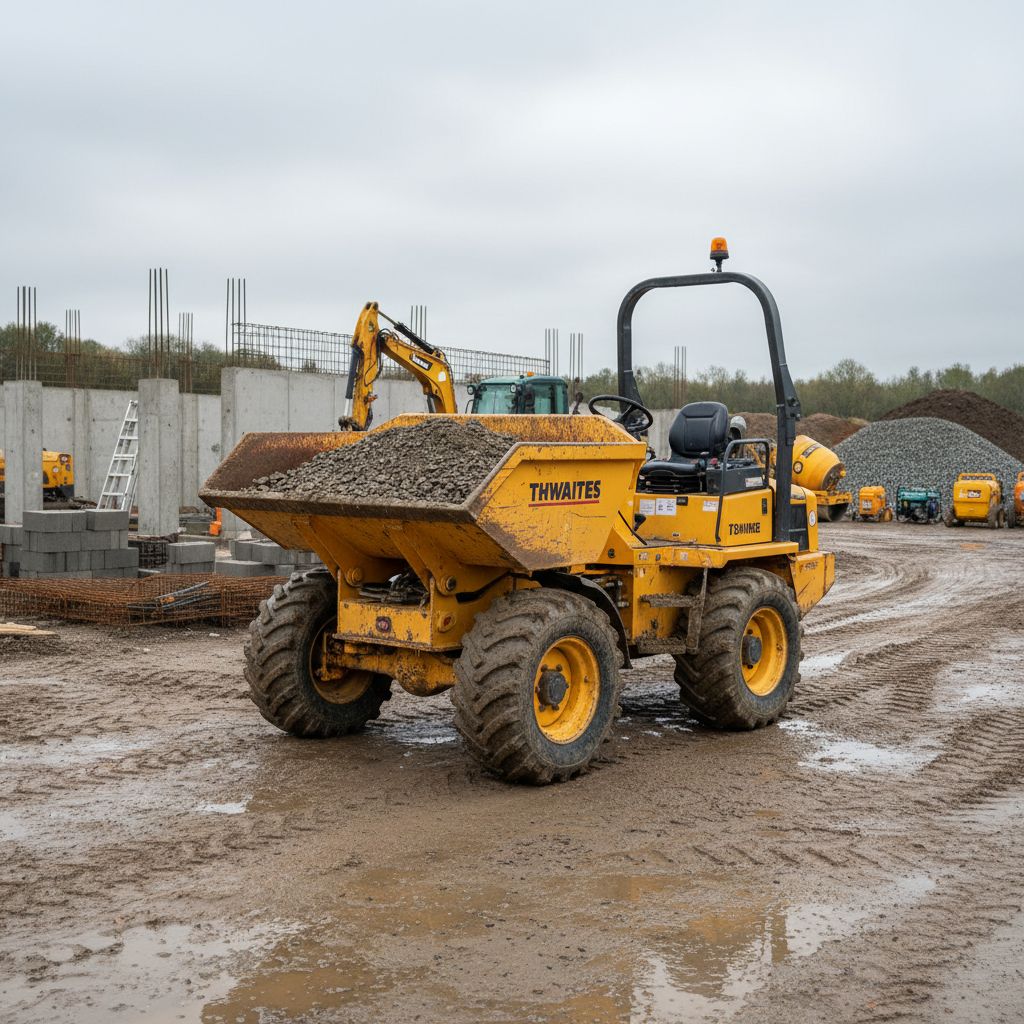
Before you even think about hiring a dumper, you’ve got to consider a few things. You’ll want to think about the site conditions, what materials you’re moving, and of course, the load capacity you actually need. This planning prevents headaches later on.
- Ground conditions: Is it flat, muddy, or hilly?
- Material type: Are you moving soil, rubble, or something else?
- Load weight and volume: How much do you really need to shift?
- Site access: Can the dumper actually get where it needs to go?
Checking out the ground before you start
You wouldn’t drive a sports car through a bog, would you? The same goes for dumpers. Always assess the terrain – think about slopes, soft ground, or uneven surfaces. This directly impacts the type of dumper you’ll need and, more importantly, your safety.
How much weight can you really handle?
Understanding the site dumper’s maximum load capacity is non-negotiable. Overloading is incredibly dangerous and can lead to instability, mechanical failure, or even a complete rollover. You’re putting yourself and others at serious risk.
Every dumper has a specified safe working load, usually measured in tonnes. You’ll find this clearly marked on the machine itself or in its operating manual. Don’t just guess; always check this figure against the estimated weight of the materials you plan to transport. If you’re moving dense materials like wet concrete or heavy rubble, their weight adds up quickly, often surprising people who only consider volume. Always err on the side of caution and opt for a dumper with a slightly higher capacity than you think you’ll need. This provides a crucial safety margin.
Getting it moving: Here’s your step-by-step guide
You’re ready to get that dumper working, but before you hit the throttle, there are a few things you need to know. Operating a site dumper isn’t just about driving; it’s about understanding the machine and your surroundings. So, let’s break it down into manageable steps, ensuring you’re confident and safe from start to finish.
| Pre-start Checks | A quick but thorough walk-around and cabin check for any issues. |
| Starting Procedure | Ignition, warm-up, and engaging the right gears for the job. |
| Loading and Unloading | Proper technique for stability and material distribution. |
| Driving Techniques | Steering, braking, and maintaining control on varied terrain. |
| Shutdown Routine | Parking, cooling down, and securing the machine. |
Doing your pre-start checks like a pro
Before you even think about starting the engine, you need to conduct a thorough visual inspection. Check the tires for damage and proper inflation, look for any fluid leaks under the machine, and inspect all lights and mirrors. Ensure your seatbelt works, the controls are responsive, and the horn sounds loud and clear. This quick check can prevent big problems.
Navigating those tricky spots without a scratch
Maneuvering a dumper in confined spaces or on uneven ground demands your full attention. Always maintain a slow, steady speed, especially when loaded, and use your mirrors constantly. Be particularly wary of soft ground or inclines, as these can significantly impact stability. You’ll want to avoid sudden turns or braking, as this can easily lead to a tip-over, especially with a full skip.
When you’re dealing with slopes, always drive straight up or down them, never across. Going across a slope, particularly with a loaded skip, drastically increases your risk of rolling the dumper. If you must change direction on an incline, do so only on a level section. You should also be incredibly mindful of overhead obstructions like power lines or low branches when raising the skip, as striking them can have catastrophic consequences.
My top tips for staying safe and sound
Staying safe on a site dumper isn’t just good practice; it’s non-negotiable. You’re dealing with heavy machinery, often in challenging conditions. So, let’s look at some actionable steps you can take to protect yourself and others. Thou shalt always prioritize safety above all else.
- Always conduct a thorough pre-operation check before starting your shift.
- Ensure you’re wearing appropriate Personal Protective Equipment (PPE), including a hard hat, high-visibility clothing, and safety footwear.
- Maintain three points of contact when mounting or dismounting the dumper.
- Never overload your dumper; stick to the manufacturer’s specified load capacity.
- Be acutely aware of your surroundings and any personnel working nearby.
Don’t forget about those steep slopes
Operating on inclines demands extra caution. Always drive straight up or down a slope, never across it, to prevent a dangerous rollover. Keep your load uphill when ascending and downhill when descending. You’re looking for stability, always.
Why visibility is everything on a busy site
Limited visibility is a major contributor to site accidents. You absolutely need to know what’s around you, especially on a bustling construction site. Spotters can be your best friends here.
Your dumper often has significant blind spots, and other vehicles or workers can easily disappear from view. Always check your mirrors, and if you’re unsure, stop and get out to look. Modern dumpers might have cameras, but they’re a supplement, not a replacement for your direct observation. Make eye contact with anyone working near your path to confirm they see you.
Summing up
You’ve now got a solid grasp of site dumpers, from their various types and applications to the critical safety practices. Choosing the right machine to hire really makes a difference on your project’s efficiency and overall success, and you’re ready to make informed decisions for your next job.
FAQ
Q: What are the main types of site dumpers available, and how do they differ in application?
A: You’ll generally find three main types when you’re looking at site dumpers: front-tip, swivel-tip, and hi-tip. Front-tip dumpers are your standard workhorses; they’re great for general muck-shifting and material transport on relatively flat ground. They tip their load directly forward, making them straightforward to operate for basic tasks.
Swivel-tip dumpers offer a lot more flexibility. Their skip can rotate up to 180 degrees, which is incredibly useful when you’re working in tight spaces or need to deposit material alongside a trench without constantly repositioning the entire machine. Think about roadworks or utility installations – they’re a lifesaver there.
Then there are hi-tip dumpers. These machines are designed to lift and tip materials into skips, elevated hoppers, or over walls. If you’re loading a larger skip or need to get material over an obstruction, a hi-tip dumper saves you a lot of manual effort and time. Each type really shines in specific scenarios, so matching the dumper to your job site’s needs is key.
Q: What safety features should one prioritize when operating or selecting a site dumper?
A: Safety really can’t be overstated with site dumpers. First, look for machines with ROPS (Roll-Over Protective Structure) and FOPS (Falling Object Protective Structure) certification – this protects the operator if the dumper tips or if something falls from above. A good seatbelt, preferably an orange high-visibility one, is non-negotiable too; it keeps the operator secure in the event of an overturn.
Visibility is another huge factor. Modern dumpers often come with cameras, especially rear-view cameras, and proximity sensors to help the operator see around blind spots. Flashing beacons and audible reverse alarms are also vital, alerting others on site to the dumper’s movements. And, of course, proper lighting for low-light conditions is a must.
Other features like automatic braking on inclines, or even speed restrictors, can prevent common accidents. Some models even have telematics systems that monitor operator behavior and machine health, flagging potential issues before they become serious problems. Always check the machine’s service history and ensure all safety mechanisms are fully functional before you start work.
Q: How does ground condition impact the choice and operation of a site dumper?
For soft or uneven terrain, you’ll want a dumper with good ground clearance and often four-wheel drive. Articulated chassis models can offer better traction and stability on undulating surfaces, as they allow all wheels to maintain contact with the ground. Wider tires or even track-driven dumpers are ideal for really boggy sites where conventional wheels would just sink.
Steep gradients demand a dumper with excellent braking capabilities and a low center of gravity. Overloading a dumper on a slope is incredibly dangerous and can easily lead to a tip-over. Always assess the gradient and the load carefully, and never exceed the manufacturer’s recommended limits for both weight and incline. Wet conditions also reduce traction, so operating speeds need to be adjusted accordingly to prevent skidding.


