
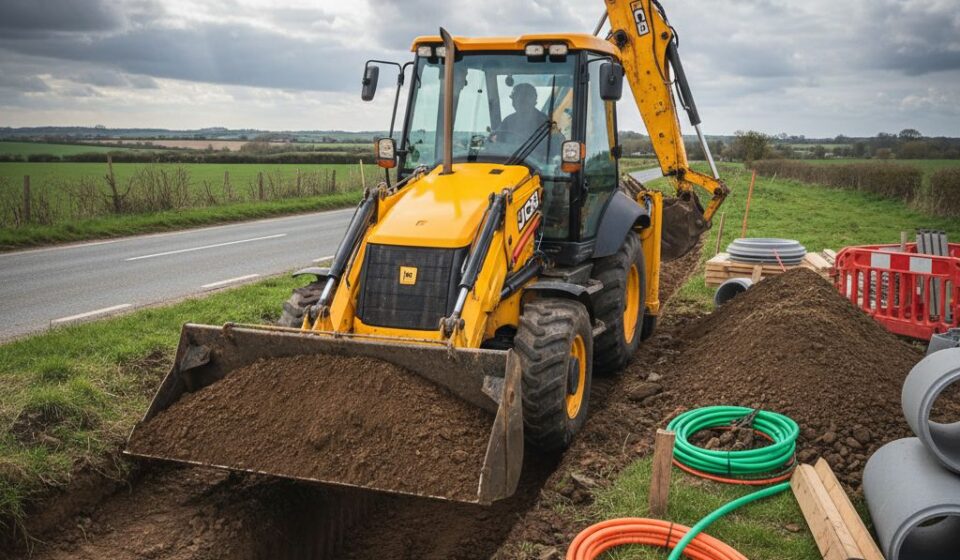

A backhoe loader is considered the Swiss Army knife of construction, isn’t it? You’re getting two powerful machines in one, making them incredibly versatile for everything from digging trenches to loading materials. But with that power comes responsibility, and knowing your way around one is absolutely imperative for safety and efficiency on any job site.
Table of Contents
What’s the deal with the factors that actually matter?
You’re not just picking a machine; you’re matching it to your specific needs. It’s about getting the right fit for the job site, ensuring efficiency and safety.
- Digging depth and reach are critical.
- Consider the machine’s horsepower and lifting capacity.
- Don’t forget the importance of bucket size and available attachments.
- The machine’s overall size and maneuverability play a huge role too.
Perceiving these elements correctly saves you both time and money in the long run.
How much digging power do you really need?
Your project’s demands dictate this. Are you mostly doing light trenching or busting through seriously compacted soil or even rock? You’ll want enough breakout force to avoid frustrating delays and potential damage to the equipment.
Making sure you’ve got enough reach for the pit
Think about the deepest point you need to excavate and how far away the spoil pile will be. A backhoe with insufficient reach means extra repositioning, which eats into your productivity and extends project timelines.
This isn’t just about depth; it’s also about how far horizontally you can extend the arm. If you’re digging a wide foundation or clearing debris from a hard-to-access spot, that extra foot or two of reach can make a huge difference. You don’t want to constantly move the entire machine just to dump a bucket of dirt a few feet further away, right? That’s wasted time and fuel.
Let’s go step-by-step through running the machine
Ready to get down to business? Operating a backhoe loader isn’t rocket science, but it does require a systematic approach and a healthy respect for the machine’s power. We’re going to break it down for you, from the moment you climb aboard to when you’re making that first big dig. You’ll want to pay close attention to the safety checks – they’re not just suggestions; they’re there to keep you and everyone around you safe.
| Pre-Operation Checklist | Before you even think about turning the key, you’ve got to do your walk-around. This means checking fluid levels – oil, coolant, hydraulic fluid – and making sure there are no leaks. You should also inspect tires for proper inflation and damage, and look for any loose hoses or wires. Don’t forget to check all lights and mirrors. A quick visual inspection can prevent a big headache, or worse, an accident. |
| Starting the Engine | Once your pre-checks are done, climb into the cab. Make sure the parking brake is engaged and the transmission is in neutral. Turn the key and let the engine warm up for a few minutes. Listen for any unusual noises, and check your dashboard gauges to ensure everything is operating within normal parameters. This warm-up period is important for the engine’s longevity and performance. |
Getting yourself settled in the hot seat
First things first, adjust your seat so you’re comfortable and can easily reach all the controls. Fasten your seatbelt securely – this is non-negotiable for your safety. Check that all mirrors give you a clear view of your surroundings, minimizing blind spots.
Taking your first real swing with the bucket
With the engine warmed and you strapped in, it’s time to get a feel for the controls. Start with small, gentle movements of the loader bucket. You’re just getting acquainted with the joystick or lever sensitivity here, not digging a trench.
You’ll typically use one joystick for boom and bucket control, and another for dipper and swing. Push the joystick forward to lower the boom, pull it back to raise it. Moving it left or right will curl or dump the bucket. Take your time. Practice these individual movements before trying to combine them. It’s all about smooth, controlled motions rather than jerky, sudden ones. And remember, always be aware of your surroundings, especially any bystanders or obstacles.
My best tips for keeping things moving
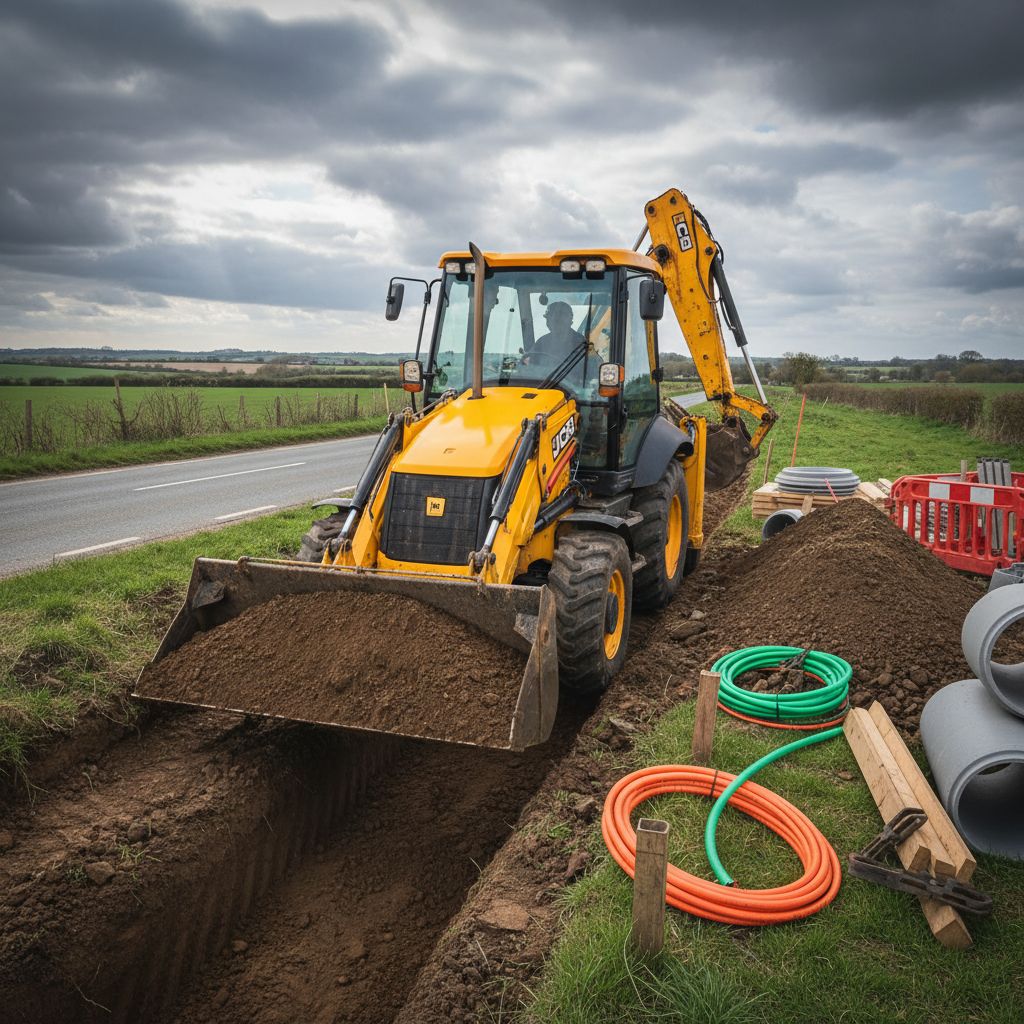
You’ve got your new backhoe loader, and now you want to keep it running smoothly, right? Keeping your machine in top shape means focusing on a few key areas like regular maintenance, smart operation, and always prioritizing safety. Thou can extend your equipment’s lifespan significantly with just a little proactive effort.
Don’t skip out on the daily grease job
Your backhoe has many moving parts, and they all need lubrication. A quick daily grease-up of all pivot points and fittings prevents excessive wear and tear. It only takes a few minutes but can save you from costly repairs down the line.
How to keep from tipping the whole thing over
Operating on uneven terrain or with an improperly loaded bucket is a recipe for disaster. Always keep your bucket low when traveling, and distribute the load evenly. You’re trying to avoid a dangerous rollover, after all. When you’re working on a slope, always position the heaviest end of the machine uphill. If you’re digging, use your stabilizers to create a wider, more secure base. And never, ever try to lift a load that feels too heavy or extends too far from the machine’s center of gravity – that’s just asking for trouble and a potential accident.
Conclusion
You’ve now got a solid grasp of backhoe loaders, from their diverse types to key operational considerations and maintenance tips. Your informed approach to selecting and operating these versatile machines will undoubtedly lead to greater efficiency and safety on any project.
FAQ
Q: What exactly is a backhoe loader, and what are its primary uses?
A: A backhoe loader is a versatile piece of heavy equipment that’s imperatively a tractor fitted with two main attachments: a loader bucket at the front and a backhoe at the rear. Think of it as a multi-tool for construction and excavation. You’ll often see them on smaller to medium-sized jobs where larger, dedicated excavators or loaders might be overkill or too expensive to transport. They’re perfect for digging trenches for utilities, excavating foundations, backfilling, and moving piles of material like dirt, gravel, or sand.
Farmers use them for drainage work, and municipalities find them indispensable for road maintenance and repairing water lines. Their ability to switch between digging and loading without needing another machine on site makes them incredibly efficient for a wide range of tasks.
Q: How do you choose the right size backhoe loader for a specific job?
A: Picking the right size really depends on the scope and nature of your project. For smaller jobs, like landscaping or light utility work, a compact or standard-sized backhoe might be all you need. These are easier to maneuver in tight spaces and transport.
If you’re tackling larger excavations, deeper trenches, or handling heavier materials, you’ll want to look at a larger, more powerful model. Consider the digging depth required – different models have varying reach and digging capabilities. The loader’s lift capacity and breakout force are also important if you’re moving a lot of heavy material. Always match the machine’s capabilities to the demands of your specific application.
Q: What are some imperative safety precautions to take when operating a backhoe loader?
A: Safety is absolutely paramount when you’re around heavy machinery like a backhoe loader. Always start with a thorough pre-operation inspection – check fluid levels, tire pressure, lights, and ensure all safety guards are in place. Make sure you’re wearing appropriate personal protective equipment (PPE), including a hard hat, safety glasses, and steel-toed boots.
Before you even turn the key, survey your work area for any bystanders, overhead power lines, or underground utilities. Stabilize the machine properly with its outriggers before any digging operation to prevent tipping. And never, ever allow anyone to stand within the swing radius of the backhoe arm or in front of the loader bucket when the machine is in operation. Communication is key on a job site, so use hand signals or radios if visibility is limited.
Q: Can backhoe loaders use different attachments, and what are some common ones?
A: Absolutely, one of the biggest advantages of a backhoe loader is its adaptability through various attachments. The standard digging bucket on the backhoe can often be swapped out for narrower trenching buckets for precise utility work, or wider grading buckets for fine finishing.
You can also fit hydraulic breakers (hammers) to demolish concrete or rock, augers for drilling post holes, or even grapples for handling logs or debris. On the front loader, you might see forks for lifting pallets, or specialized buckets for snow removal or light material handling. These attachments dramatically expand the machine’s utility, making it a true all-rounder on many job sites.
Q: What’s the typical maintenance schedule for a backhoe loader to keep it running efficiently?
Every 50 to 250 hours, depending on the manufacturer and operating conditions, you’ll want to change the engine oil and filter. Hydraulic fluid and filter changes typically occur less frequently, perhaps every 1,000 to 2,000 hours. Always refer to your specific machine’s operator’s manual for the exact service intervals and recommended fluids, as these can vary significantly between models and brands. Regular maintenance prevents costly breakdowns and extends the life of your equipment.

