
This guide to telehandlers cuts through the noise, showing you how these versatile machines can totally transform your job site. You’ll learn what makes them tick, how to operate them safely, and why choosing the right one is so important for avoiding costly mistakes. Let’s get started!
Table of Contents
What are the different types of telehandlers anyway?
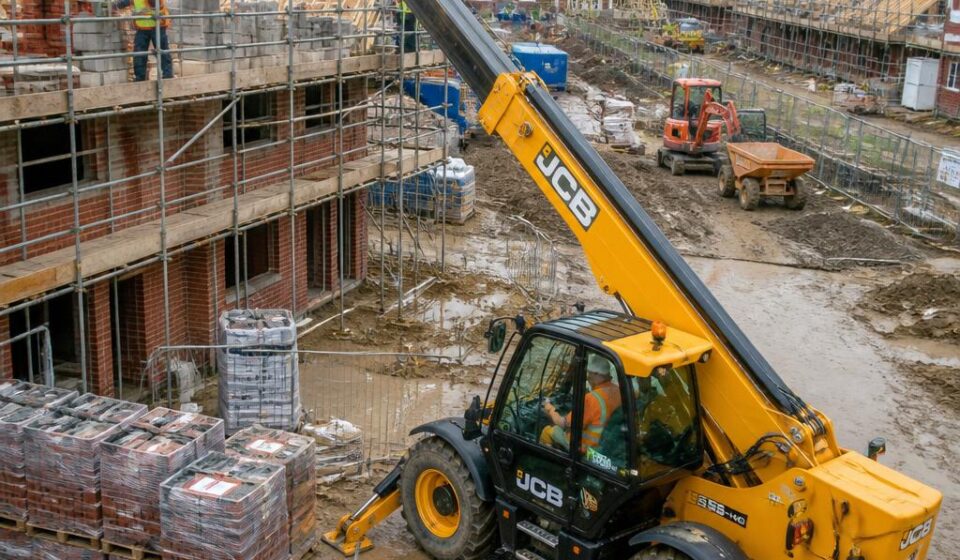
So, you’re probably picturing one kind of machine, right? But there’s actually a bit more variety than you might think when it comes to these versatile workhorses. You’ve got a few main players in the telehandler world, each designed for slightly different jobs and site conditions. This means picking the right one is key to getting your project done safely and efficiently.
| Fixed Boom Telehandlers | The most common type, with a boom that extends straight out. |
| Rotating Telehandlers (Rotos) | These have a turret that can rotate 360 degrees, offering incredible versatility. |
| Heavy Lift Telehandlers | Designed for serious loads, often found in industrial or mining applications. |
| Compact Telehandlers | Smaller footprint for tight spaces, often used in agriculture or residential construction. |
| High Reach Telehandlers | Specialized for extreme heights, common in large-scale construction or infrastructure. |
The standard fixed boom everyone’s used to
This is probably what pops into your head first – the classic fixed boom telehandler. They’re straightforward, reliable, and a staple on most construction sites. You extend the boom, lift your load, and retract it. They’re fantastic for tasks where you’re mostly moving materials in a linear fashion, and their simplicity means less to go wrong.
Why rotating models are a total game-changer
Now, if you haven’t seen a rotating telehandler, or “Roto” as they’re often called, you’re in for a treat. These machines are incredible because their upper carriage, where the cab and boom are, can spin a full 360 degrees. This capability means you can pick up a load and place it almost anywhere around the machine without having to reposition the entire chassis.
Imagine the time savings! Instead of constantly driving back and forth to get the right angle, a Roto can stay put and just swing its boom. This makes them especially useful in confined spaces or on sites where maneuverability is a challenge. They often come with outriggers for enhanced stability, allowing for safer lifts at greater heights and reaches.
The real deal about the pros and cons of these rigs
Understanding what you’re getting into is half the battle, right? You’ll find telehandlers are incredibly versatile, but like any piece of heavy machinery, they come with their own set of quirks. Let’s break down the good, the bad, and the sometimes a little bit ugly so you know exactly what to expect on your job site.
Why you’ll absolutely love having one on-site
You’re basically getting a forklift, a crane, and a work platform all rolled into one powerful machine. It’s truly a multi-tool for construction, agriculture, and industrial sites, making it incredibly efficient for various tasks.
The annoying bits nobody tells you about
Maneuvering these beasts in tight spaces can be a real headache, and they demand a lot of attention to maintenance. You’ll also find that the initial purchase or rental cost can be quite significant.
Operating a telehandler requires a skilled and certified operator, which isn’t something you can just pick up in an afternoon. There’s a learning curve, and improper use can lead to serious accidents. Stability is another big one; overloading or operating on uneven terrain can make them incredibly unstable, posing a significant safety risk if you’re not paying close attention to load charts and ground conditions. And don’t forget about transportation; moving these large machines between sites often requires specialized trailers and permits, adding another layer of logistical complexity and cost.
| Pros | Cons |
|---|---|
| Incredible versatility (lift, move, place) | High initial cost (purchase/rental) |
| Extended reach and lifting height | Requires skilled, certified operators |
| Adaptable with various attachments | Can be unstable on uneven ground |
| Excellent rough-terrain capability | Limited maneuverability in tight spaces |
| Improved site safety (fewer separate machines) | Higher fuel consumption than smaller equipment |
| Boosts productivity on diverse tasks | Regular, detailed maintenance is important |
| Reduces labor requirements | Transportation between sites can be complex |
| Can operate in various weather conditions | Attachment changes can be time-consuming |
| Better visibility from the cab | Risk of tip-over if overloaded |
| Long-term durability | Noise and emissions can be a factor |
How do you pick the right one without losing your mind?
Figuring out the right telehandler can feel like a maze, right? You’re looking at so many specs, so many models – it’s easy to get overwhelmed. But don’t sweat it; we’ll break down the key factors so you can make a smart choice without all the headaches.
My take on the weight factors that honestly matter
You’re primarily worried about two big numbers: the maximum lift capacity and the load chart. You’ll need to know the heaviest thing you’re lifting. Recognizing the difference between what it can lift and what it safely lifts at extension is key.
- Maximum lift capacity: This is the absolute most a telehandler can pick up, usually straight up and close to the machine.
- Operating capacity: A more realistic number, often lower, accounting for boom extension and angle.
- Load chart: Your bible for safe operation, detailing capacities at various reaches and heights.
Making sure you’ve got enough reach for the job
Consider your maximum required height and forward reach. You don’t want to get a machine that *almost* gets there but falls short. Always factor in a little extra, just in case.
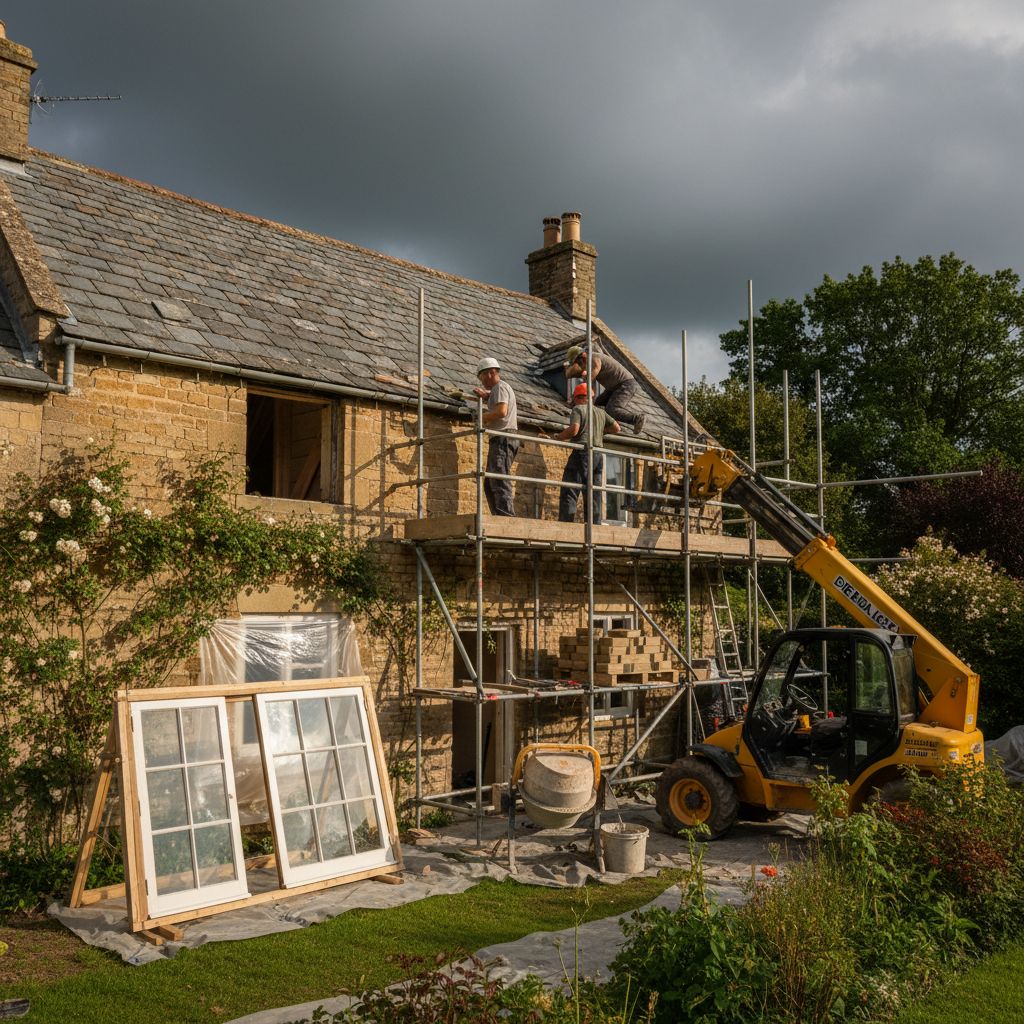
Think about the highest point you need to access, whether it’s the third story of a building or stacking materials in a tall warehouse rack. Also, how far out do you need to place a load? If you’re reaching over obstacles or into the middle of a truck bed, that horizontal reach becomes just as important as the vertical. A common mistake is underestimating this, leaving you with an inefficient machine for the task at hand.
Here’s my step-by-step for getting the thing moving
You’re ready to get this beast operational, right? Well, let’s break down the imperative steps so you can operate your telehandler with confidence and, more importantly, safety. It’s not as complex as it looks, but skipping steps can lead to big problems.
| Telehandler Startup Checklist | |
|---|---|
| Pre-Start Walkaround | Inspect for damage, leaks, and tire condition. Check fluid levels and ensure all safety decals are visible. |
| Operator’s Cab Entry | Securely fasten your seatbelt and adjust the seat and mirrors for optimal visibility. |
| Engine Start | Turn the key, allow glow plugs to warm if necessary, and start the engine. Check gauges for normal operation. |
| Controls Familiarization | Gently test the steering, boom, and attachment controls to understand their responsiveness. |
| Site Assessment | Before moving, scan your immediate surroundings for obstacles, personnel, and uneven terrain. |
Doing your pre-start walkaround so you don’t regret it
Before you even think about climbing into that cab, you’ve got to do a thorough walkaround. This quick check can prevent serious accidents and costly downtime. Look for anything out of place – loose bolts, fluid leaks, or damaged tires.
Nailing the controls on your very first try
Once you’re in the seat, it’s time to get a feel for the controls. Don’t rush this part; understanding how each lever and pedal responds is critical for safe operation. Take your time, and you’ll be glad you did. This involves more than just knowing where the levers are. You’ll want to gently test the steering, boom extension, lift, and tilt functions. Pay attention to the hydraulic response – is it smooth, or does it feel jerky? Also, familiarize yourself with the auxiliary hydraulic controls if you’re using specific attachments, as these often have their own unique operation.
Some pro tips so you don’t end up breaking everything
You’ve got the basics down, but let’s be real: operating a telehandler takes finesse. Follow these pro tips to keep your job site safe and your equipment in one piece. The goal is always efficiency and, more importantly, safety, so you avoid those costly mistakes.
- Always perform a thorough pre-operation check.
- Understand your machine’s load chart like the back of your hand.
- Never exceed the telehandler’s stated capacity.
- Keep your speeds appropriate for the terrain and load.
- Maintain clear communication with your ground crew. The last thing you want is a misunderstanding.
Keeping the maintenance schedule on point
Ignoring maintenance is a surefire way to invite disaster and downtime. Stick to the manufacturer’s recommended service intervals for everything from oil changes to hydraulic system checks. A well-maintained machine is a reliable machine, and that saves you money in the long run.
Safety tricks that actually save lives
Always wear your personal protective equipment (PPE), including a hard hat, safety glasses, and high-visibility clothing. Make sure your work area is clear of unnecessary personnel and obstructions. You’re operating heavy machinery, so don’t take chances.
And seriously, never, ever operate a telehandler if you’re feeling fatigued or unwell. Even a momentary lapse in concentration can have catastrophic consequences. Always ensure you have a spotter when visibility is limited, especially when reversing or working in congested areas. Their extra set of eyes can prevent a major incident, making the work site much safer for everyone involved.
Final words
You’ve now got a solid grasp of telehandlers, from their diverse types to safe operation. Choosing the right machine means considering your specific job site needs and understanding its capabilities. Go out there and make those material handling tasks much more efficient!
FAQ
Q: What are the primary safety considerations when operating a telehandler?
A: Safety is, without exaggeration, the most important thing to keep in mind when you’re behind the controls of a telehandler. You’re lifting heavy loads, often high up, and that introduces a lot of potential hazards. Always perform a thorough pre-operation inspection – check tires, fluid levels, controls, and most importantly, the load chart to understand your machine’s capacity at different heights and reaches. Overloading is a common cause of tip-overs, and you definitely don’t want to be involved in one of those.
Always ensure the ground is stable and level before extending the boom, and never operate on slopes that exceed the manufacturer’s recommendations. You also need to maintain a clear line of sight to your load and work area, using a spotter if necessary. Wearing appropriate personal protective equipment (PPE) like a hard hat, safety glasses, and high-visibility clothing isn’t just a good idea; it’s often a regulatory requirement on most job sites. And, of course, never allow anyone to stand or walk under a suspended load.
Q: How does a telehandler differ from a forklift or a crane?
A: That’s a great question because, at first glance, a telehandler seems to share characteristics with both, but it’s really its own beast. A standard forklift is designed primarily for lifting and moving palletized loads horizontally and stacking them vertically, usually within a warehouse or on a flat, paved surface. Its mast typically only moves up and down.
Cranes, on the other hand, are built for extremely heavy lifting and moving loads over significant distances, often with a rotating cab and a very long boom. They’re usually static during operation or move very slowly. A telehandler sits right in the middle. It has the lifting capability of a forklift but with a telescopic boom that extends forward and upward, giving it far greater reach and versatility – sort of like a crane, but on wheels and much more maneuverable on varied terrain. This telescopic arm allows it to access places a standard forklift simply can’t reach, like putting materials on a second-story roof or reaching across an obstruction.
Q: What are some common attachments for telehandlers and what are they used for?
A: The beauty of a telehandler lies in its adaptability, and that’s largely due to the vast array of attachments available. The most common, and probably what you picture, is a set of pallet forks. These are your go-to for moving brick pallets, lumber, or any other material packaged on skids.
You’ll also frequently see a muck grab or a bucket attachment, which necessaryly turns your telehandler into a large loader, perfect for scooping up loose materials like gravel, sand, or debris. For construction sites where personnel need to be lifted to height, a work platform or ‘man basket’ is indispensable, offering a safe and stable elevated workspace. There are also specialized attachments like jibs with hooks for crane-like lifting, bale grabs for agricultural work, and even sweeping brushes for site cleanup. Each attachment dramatically expands the machine’s utility, making it a true multi-purpose workhorse on almost any job site.